Cheyne Walk removals access advice for riverside Chelsea homes
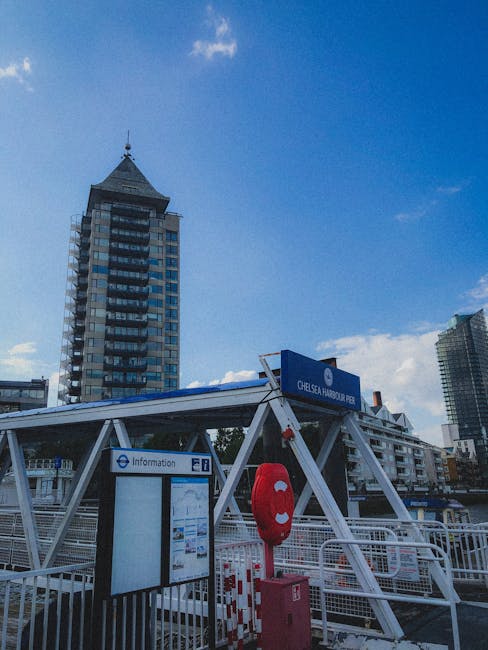
Moving on Cheyne Walk sounds glamorous from the outside, doesn't it? The river on one side, handsome terraces, discreet frontages, and that quiet Chelsea feel that people fall for instantly. But if you are actually planning a move there, the access side can be the difference between a calm morning and a mildly chaotic one. Cheyne Walk removals access advice for riverside Chelsea homes is really about planning around tight streets, parking pressure, building layouts, lift access, neighbour consideration, and the practical realities of riverside properties.
This guide walks you through what matters, how removals usually work in this part of Chelsea, and the small details that make a big difference on the day. You'll find a step-by-step plan, a useful checklist, common mistakes to avoid, and a few real-world pointers that are easy to miss if you only think about the move at the packing stage. Truth be told, a little access planning goes a long way here.
- Why access planning matters on Cheyne Walk
- How removals access planning works in practice
- Key benefits of getting it right early
- Who needs this advice most
- Step-by-step moving guidance
- Expert tips for smoother access
- Common mistakes to avoid
- Tools, resources and recommendations
- Law, compliance and best practice
- Options and comparison table
- Real-world example
- Practical checklist
- Conclusion
- Frequently asked questions
Why Cheyne Walk removals access advice for riverside Chelsea homes Matters
Cheyne Walk is not a standard suburban move where a wide driveway solves everything. Riverside Chelsea homes often combine prestige with constraints: limited kerb space, shared entrances, controlled parking, narrow access routes, basement levels, and the occasional awkward turn for larger vehicles. If you are moving into or out of a property near the Thames, the access plan matters as much as the packing list.
The main issue is not just distance. It is sequence. Where does the van stop? How far is the walk from vehicle to front door? Is there room for trolleys? Can a larger removal vehicle safely wait, or does the team need a smaller shuttle vehicle instead? These questions sound dull until they save you an hour or two and a lot of stress.
There is also the neighbour factor. Riverside streets in Chelsea tend to be busy, delicate, and closely observed. One badly parked van can ripple out into complaints, blocked access, or a very awkward conversation with a resident who was trying to get out for school drop-off. A thoughtful plan keeps everyone happier. That is the simple truth of it.
For homes with listed features, narrow staircases, or fragile interior finishes, access planning is also about protection. Large items can nick paintwork, scratch stone, or catch on bannisters if the route is not mapped properly. In our experience, the most stressful moves are rarely the biggest ones; they are the ones where nobody checked the entry route properly.
How Cheyne Walk removals access advice for riverside Chelsea homes Works
Good access advice starts before the removals team arrives. A proper assessment looks at the property, the street, and the timing together rather than in isolation. That means checking the road layout, loading restrictions, entrance width, internal staircases, door clearances, floor protection needs, and whether parking can be arranged close enough to make loading efficient.
For a riverside Chelsea home, the move often follows one of a few patterns:
- Direct roadside loading: the removal vehicle can stop close enough for easy carrying.
- Short carry from a nearby bay: the van parks legally a little away, and items are moved by team and trolley.
- Split vehicle approach: a larger truck waits elsewhere while a smaller van or shuttle handles the narrowest streets.
- Staged internal move: items are moved from upper floors to a ground-floor holding area before loading.
Which option fits depends on the specific address and the time of day. That is why a quick photo of the frontage, a street view check, and a note about any nearby restrictions can be so useful. It sounds almost too simple, but those details help removals teams choose the right vehicle and crew size.
If you are arranging a larger domestic move, it helps to explore wider options such as home moves or house removals, especially where packing, dismantling, or multiple collection points are involved. For smaller, more flexible jobs, a man and van style service may suit the access conditions better. Not every riverside move needs a full-size truck parked outside the front door, and frankly that would be optimistic in some spots.
Key Benefits and Practical Advantages
Getting access advice right does more than prevent delays. It improves the whole moving experience from the first lift to the final box. Here are the main advantages.
- Less waiting time: the team can start and finish efficiently if the vehicle plan is realistic.
- Lower risk of damage: a safe route reduces knocks to furniture, walls, floors, and door frames.
- Better parking decisions: you avoid last-minute circling, double-parking stress, and awkward loading gaps.
- Cleaner communication: everyone knows whether the job needs a van, a truck, extra porters, or a two-stage approach.
- Less disruption to neighbours: quieter, shorter loading is usually the decent thing to do in Chelsea streets.
- More accurate quoting: the more precise the access details, the more realistic the estimate tends to be.
One very practical benefit is that good access planning can prevent overbooking. A moving truck may seem ideal on paper, but if the road geometry makes it awkward, a smaller vehicle paired with an organised crew can actually be faster. That surprises people sometimes.
There is also a reassurance factor. When the mover understands the site properly, you can focus on the human side of the day: checking keys, keeping pets calm, making tea, finding the kettle, and trying not to lose the only screwdriver you need. The usual moving-day chaos, basically.
Who This Is For and When It Makes Sense
This advice is useful for anyone moving to or from a riverside Chelsea property, but it is especially relevant if your home has any of the following:
- restricted or narrow street access
- shared entrances or communal hallways
- basement or lower-ground accommodation
- top-floor flats with stairs only
- valuable or fragile furniture
- limited parking outside the property
- multiple access points that need to be chosen carefully
- a move that needs to fit around building management or neighbour schedules
It also makes sense if you are deciding between different service types. A full team may be best for a large family house, while a lighter load could suit man with van or removals van support. If you are relocating a home office as part of the move, you might also look at packing and unpacking services or even broader removal services to keep the day organised.
To be fair, almost everyone moving in Chelsea benefits from a plan. But if your property has a river-facing terrace, basement storage, awkward stair turns, or a very full calendar, it becomes non-negotiable.
Step-by-Step Guidance
Here is a practical way to approach a move on Cheyne Walk without overcomplicating it.
- Survey the access from street to door. Check where the vehicle can stop, how far the carry will be, and whether the pavement width allows safe movement of items.
- Measure the awkward bits. Doorways, stair widths, turns on landings, lift dimensions, and the size of the largest items all matter.
- Note loading restrictions and timing limits. In London, the exact conditions can change quickly depending on the time, day, or local management arrangements.
- Choose the right vehicle size. A smaller van may be more effective than a big lorry if the street is tight or parking is limited.
- Plan who moves what. Heavy furniture, fragile pieces, and boxed items should be separated logically so the crew can work without constant reshuffling.
- Prepare the property. Clear paths, remove loose rugs, protect corners, and make sure the route is obvious from the first room to the exit.
- Share photos and notes early. A few clear images of the frontage, stairwell, and any access obstacles can prevent wrong assumptions.
- Build in a buffer. In Chelsea, a perfectly timed move is nice in theory, but a small cushion for parking or building access is wise.
If you are working with a professional crew, a clear briefing makes a noticeable difference. Mention the heavy oak table. Mention the awkward basement wine rack. Mention the narrow hall cupboard door that only opens halfway because of the radiator. That sort of detail saves time and bruised shoulders.
And yes, the little things matter. A missing lift key at 8:00 in the morning can unravel an otherwise tidy plan very quickly. Been there, seen that, not fun.
Expert Tips for Better Results
A few experienced habits make riverside Chelsea moves smoother straight away.
- Book access checks early. Do not leave the route planning until the week of the move.
- Use floor protection where needed. Particularly in older homes with polished floors, stone thresholds, or delicate finishes.
- Separate fragile items from bulky ones. It avoids confusion when loading starts in a hurry.
- Label boxes by destination room. That helps if the team needs to work in stages through a tight access point.
- Keep the front route clear. Bikes, planters, umbrellas, and random hallway clutter all slow things down.
- Ask about the vehicle mix. Sometimes a combination of small van plus larger vehicle support works better than one oversized truck.
Here is a small but useful one: if your property opens onto a busy stretch, try to keep the most critical items ready first. That way, if access is temporarily blocked by traffic, weather, or another resident, you are not standing there with all the delicate pieces still upstairs.
Also, do not underestimate weather. A wet riverside morning can make pavements slippery and carrying a bit more fiddly. Nothing dramatic, just enough to make trolley use and floor protection more important than usual. Chelsea looks polished in the rain, but moving boxes through it is another matter entirely.
Common Mistakes to Avoid
Most access problems come from a handful of familiar mistakes. Avoid these and you are already ahead.
- Assuming a large vehicle will fit. A van that is too big can create more delay than it saves.
- Forgetting basement or upper-floor access. The street may be fine, but the internal route may be the real issue.
- Not checking parking ahead of time. This is the classic one, and it causes more stress than people expect.
- Leaving packing too late. If the move starts and the essentials are still loose around the flat, everything becomes slower.
- Ignoring neighbour and building constraints. Shared spaces need respect, especially in dense residential streets.
- Overlooking the biggest item. One oversized sofa or king-size bed base can change the whole loading plan.
Sometimes the real problem is not the move itself but the assumption that it will be straightforward because the property looks elegant. The frontage may be immaculate. The logistics, less so. A graceful house can still have a very stubborn staircase.
One more thing: do not keep information to yourself because you worry it will sound inconvenient. A good removals team would much rather know about the tight stair bend now than discover it while carrying a wardrobe. That's just common sense.
Tools, Resources and Recommendations
You do not need a huge toolkit to handle access planning, but a few simple items and documents help a lot.
- Basic tape measure: for doorways, furniture dimensions, and stair landings.
- Phone photos or video: useful for sharing entrance details, staircases, and street width.
- Box labels: room names, "fragile," and "open first" make a difference.
- Protective covers and blankets: useful for hallways, furniture edges, and narrow corners.
- Parking notes: keep a record of any agreed arrangements, if relevant.
- Inventory list: especially helpful where expensive furniture or artwork is involved.
For service selection, it helps to compare the style of move rather than just the headline price. A dedicated house movers team may be better for a full property move, while man and van removals can suit lighter loads and tighter access conditions. If you need a broader overview before deciding, the page for removal company services can be a useful starting point.
And if you want to understand the business side as well, the company's pages on pricing and quotes, insurance and safety, and health and safety policy are sensible places to review before you book. The paperwork isn't the exciting bit, granted, but it matters.
Law, Compliance, Standards, or Best Practice
For riverside Chelsea homes, the most relevant point is that removals should be planned around legal parking, safe handling, and reasonable care for shared property. Exact arrangements vary depending on the street, the building, and any local management requirements, so it is wise to confirm the details rather than assume them.
In practical terms, good compliance usually means:
- not blocking driveways, entrances, or emergency access
- following any on-street parking or loading rules that apply
- using safe lifting techniques and suitable equipment
- protecting floors, walls, and communal areas where needed
- communicating with residents, porters, or building managers where relevant
Many residential buildings also expect movers to work considerately and to avoid unnecessary noise or damage. That is not a formal legal lecture, just the reality of living in close quarters in central London. Good best practice looks a lot like good manners, which is refreshing, really.
If you are unsure about the fine print, ask for clear terms before the move. The pages on terms and conditions, payment and security, and privacy policy give you a sense of how a professional provider handles the operational side. For sustainability-minded moves, recycling and sustainability is worth a look too, especially if you are clearing out items rather than moving everything.
Options, Methods, or Comparison Table
Choosing the right method depends on access, load size, and how much handling the property allows. Here is a straightforward comparison.
| Method | Best for | Access strengths | Potential trade-offs |
|---|---|---|---|
| Full removal truck | Larger family homes or full-house moves | Efficient for big loads if parking and turning space allow | Can be awkward on tight riverside streets |
| Moving van | Medium-size moves and mixed loads | More flexible in narrow access areas | May require more trips for larger households |
| Man and van | Smaller moves, partial loads, or delicate access | Very adaptable where parking is limited | Not always ideal for large furniture volumes |
| Two-stage move | Properties with difficult entrances or restricted roads | Allows bigger vehicle support without forcing it into the tightest street | Needs more coordination and timing |
There is no one perfect option. The right choice is the one that fits the actual street, the building, and the items being moved. If you are juggling a period property staircase, a low-ceiling basement, and a fragile antique mirror, the smallest glamorous answer is not always the best one.
Case Study or Real-World Example
Picture a typical riverside Chelsea move. A couple is leaving a first-floor apartment on Cheyne Walk and moving a few streets away. On paper, it looks manageable: one sofa, a dining table, several boxes, a bed frame, and some artwork. Easy enough. But the entrance sits close to a narrow section of road, the staircase turns sharply at the landing, and there is no long-term parking directly outside.
Instead of guessing, the move is planned in stages. Photos of the entrance are shared in advance, the largest items are measured, and the crew decides to use a smaller van with a more flexible parking plan. Fragile items are packed separately, floor protection is laid at the threshold, and the heaviest pieces are taken first while the hallway is clear. A neighbour is informed, just in case the shared entrance gets busy around school run time.
The result? No drama, no shouting up the stairwell, and no panicked reshuffling of the van halfway through. There was still a bit of the usual moving-day noise, of course. Boxes are boxes. But the day felt organised, and that matters more than people think.
That's really the pattern you want: not perfection, just a move that feels calm enough to live through. A little structure goes a long way.
Practical Checklist
Use this before moving day. It is simple, but it catches the stuff people forget when they are busy.
- Confirm the exact property access route from street to front door.
- Measure doorways, stair turns, lift access, and large furniture pieces.
- Check where the moving vehicle can legally stop or wait.
- Share photos of the entrance, stairs, and any tight corners.
- Identify fragile items, oversized items, and anything needing dismantling.
- Protect floors, thresholds, and corners before the first box moves.
- Keep keys, access fobs, and building instructions ready.
- Tell the removals team about any neighbours, porters, or timing limits.
- Pack an essentials bag for the first night.
- Keep water, tea, and a phone charger handy. Honestly, you will want them.
Expert summary: On Cheyne Walk, the best removals plan is usually the one that respects the street as much as the property. Measure early, communicate clearly, and choose a vehicle strategy that fits the real access conditions rather than the ideal ones.
Get a free quote today and see how much you can save.
Conclusion
Cheyne Walk and the surrounding riverside Chelsea streets reward good planning. The homes are beautiful, but the access often asks for a calmer, more measured approach than a standard city move. Once you have checked vehicle size, parking, stair routes, building rules, and the practical carry distance, everything becomes easier to manage.
If you take one thing from this guide, let it be this: do not treat access as a side note. It is the backbone of a smooth move. Get that right, and the rest starts to feel less like a scramble and more like a proper process. And that is a much nicer way to move home, especially when the river is just outside the window.
A careful move is rarely the loudest one. It is usually the one that lets you breathe at the end of the day.
Frequently Asked Questions
What makes Cheyne Walk removals access advice different from a normal Chelsea move?
Cheyne Walk properties often involve tighter loading conditions, riverside street patterns, and more limited parking flexibility than a typical residential road. That means access planning needs to be more precise from the start.
Should I book a larger removal truck for a riverside Chelsea home?
Not automatically. A larger truck can be efficient, but only if the road, parking, and turning space support it. In some cases, a smaller moving van or man and van setup is actually the smarter option.
How far in advance should I check access details?
As early as you can. Ideally, you want to assess the route, parking, and property layout before the final moving date is set, not the night before when everyone is already tired.
What should I measure before the removals team arrives?
Measure door widths, stair landings, lift dimensions if relevant, and the largest furniture items. If you have a wardrobe or sofa that barely clears a doorway, that is exactly the kind of detail the movers need.
Do I need to tell the movers about building access rules?
Yes. If there are porter arrangements, restricted entry times, fob access, or communal areas that need protecting, the team should know in advance. It saves a lot of awkward back-and-forth.
Is a man and van service suitable for Cheyne Walk?
It can be, especially for smaller loads or tricky access where a larger vehicle would be awkward. The key question is whether the volume of items and the furniture sizes fit the vehicle and carrying plan.
How can I reduce the risk of damage in a narrow Chelsea property?
Use floor protection, clear the hallway, pack fragile items separately, and map out the route before lifting begins. A bit of preparation makes a surprisingly big difference.
What if parking outside the property is not available?
That is common enough in central London. The move may need a nearby legal loading point, a shorter carry, or a smaller vehicle. The important thing is to plan for that early rather than hoping for a miracle on the day.
Are there any compliance issues I should think about?
Yes, mainly parking, safe loading, access rules, and care for communal or shared areas. Exact requirements vary, so best practice is to confirm the situation for your specific address and building.
What is the most common access mistake people make?
Assuming the road outside is enough and forgetting about the internal route. In reality, the staircase, landing, basement step, or hallway pinch point is often what slows everything down.
Can I combine removals with packing and unpacking help?
Absolutely. For many riverside homes, a combined approach works well because it keeps the move more orderly and reduces the chance of boxes being scattered through tight access routes.
How do I get a quote that reflects the real access conditions?
Provide photos, measurements, parking information, and any building rules you know about. The more honest and specific you are, the more useful the estimate will be. It is one of those rare times when being a bit fussy really pays off.
Who should I contact if I need a more tailored home removals plan?
If you are comparing service levels for a full property move, start with home moves or house removals, and review the company's about us page if you want a better sense of the team behind the service. For a direct next step, contact us is the practical move.
Is it worth checking the company's policies before booking?
Yes, especially for access-heavy moves. Pages such as insurance and safety, terms and conditions, and recycling and sustainability help you understand how the service is handled and what standards to expect.